
In a rapidly evolving business environment, there are increased security expectations which have led to a shift towards digital first visitor experiences. Visitor management systems are no longer simple sign-in tools, but have become sophisticated platforms that can shape safety, compliance, efficiency and brand perception.
Here we take a look at the idea that 2026 is likely to be a defining year as new technologies in visitor management software become mainstream.
The visitor management software trends that will define 2026
We have all seen how AI is starting to become a huge feature of our lives and work, and it is likely to become a significant factor in visitor management systems. It can help to predict visitor flow, flag potential risks automatically, streamline pre-screening and reduce waiting times. This can create a much smoother and more personalised arrival experience for your visitors and can reduce admin burdens for front-of-house teams.
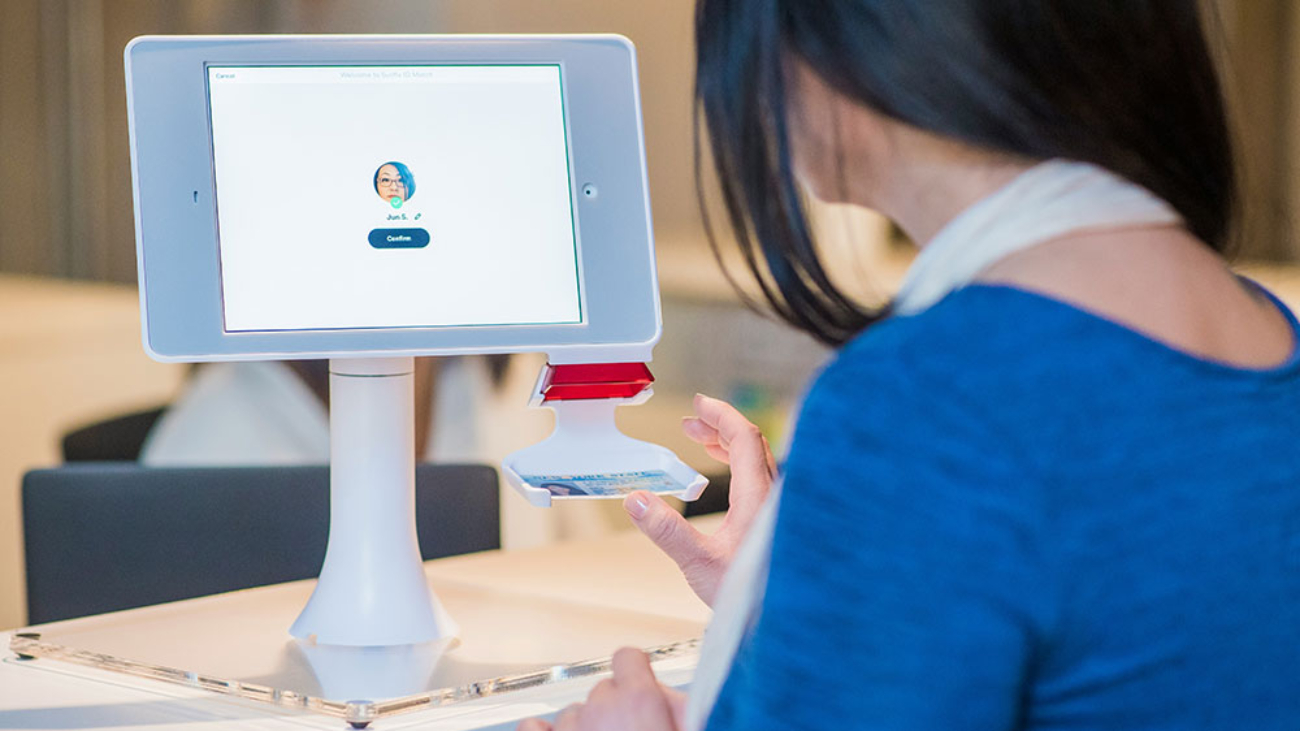
Facial recognition and biometric verification have become commonplace even just to unlock our phones, and they are likely to become the norm in business security.
In 2026, these tools will be even more accurate and widely accepted than ever before, giving organisations a reliable way to authenticate their visitors without the need for manual checks. Remote registration can also form part of this ecosystem, allowing visitors to verify their identity and complete paperwork before they even set foot in your business.
There is also likely to be a deeper integration between visitor management software and building systems. Things like smart access control, automated host notifications, desk booking platforms, and emergency response tools will increasingly communicate with one another to create a more coordinated and intelligent workspace where every visitor touchpoint is connected.
With greater levels of automation and data collection, there is likely to be a stronger focus on privacy, consent and compliance. Future systems will give businesses greater control over their data storage, access rights and visitor transparency, helping them to meet evolving regulations while still maintaining the trust of their customers and visitors.
Why businesses need to invest in visitor management software
As workplace security and compliance become increasingly complex, manual sign-in books and unmonitored reception areas will no longer meet modern operational or legal standards. Organisations therefore need a reliable way to track who is on site at any given time, as well as controlling access, protecting their staff and mitigating risks in real time.
Visitor management software can also support hybrid work models, large multi-site organisations and environments where security needs to be consistent and auditable. Investment in visitor management software is not only about technology, but also improving efficiency, protecting the reputation of the business, and delivering a professional experience for every guest.
The core benefits of modern visitor management software
The true value of visitor management software lies in the way it can transform the visitor journey from start to finish. It is able to boost security through reliable verification systems and create operational efficiency.
By automating many admin tasks, it can free up front of house team members to complete other more important jobs. It is also capable of improving compliance through more accurate records and strengthening data privacy with controlled access, which can all help to enhance the visitor experience by offering speed, clarity and professionalism.
As workplaces continue to evolve, businesses that embrace modern systems are likely to be better prepared for the future challenges and expectations of 2026.
Visitor management is only going to become more intelligent, automated and integrated as time goes on, so by preparing now for the systems that will shape the future of workplace safety and visitor experience, you can get ahead of the curve.
Are you ready for 2026?
Download VM Free today for a more secure, efficient and professional visitor experience.